


 加拿大國家鐵路
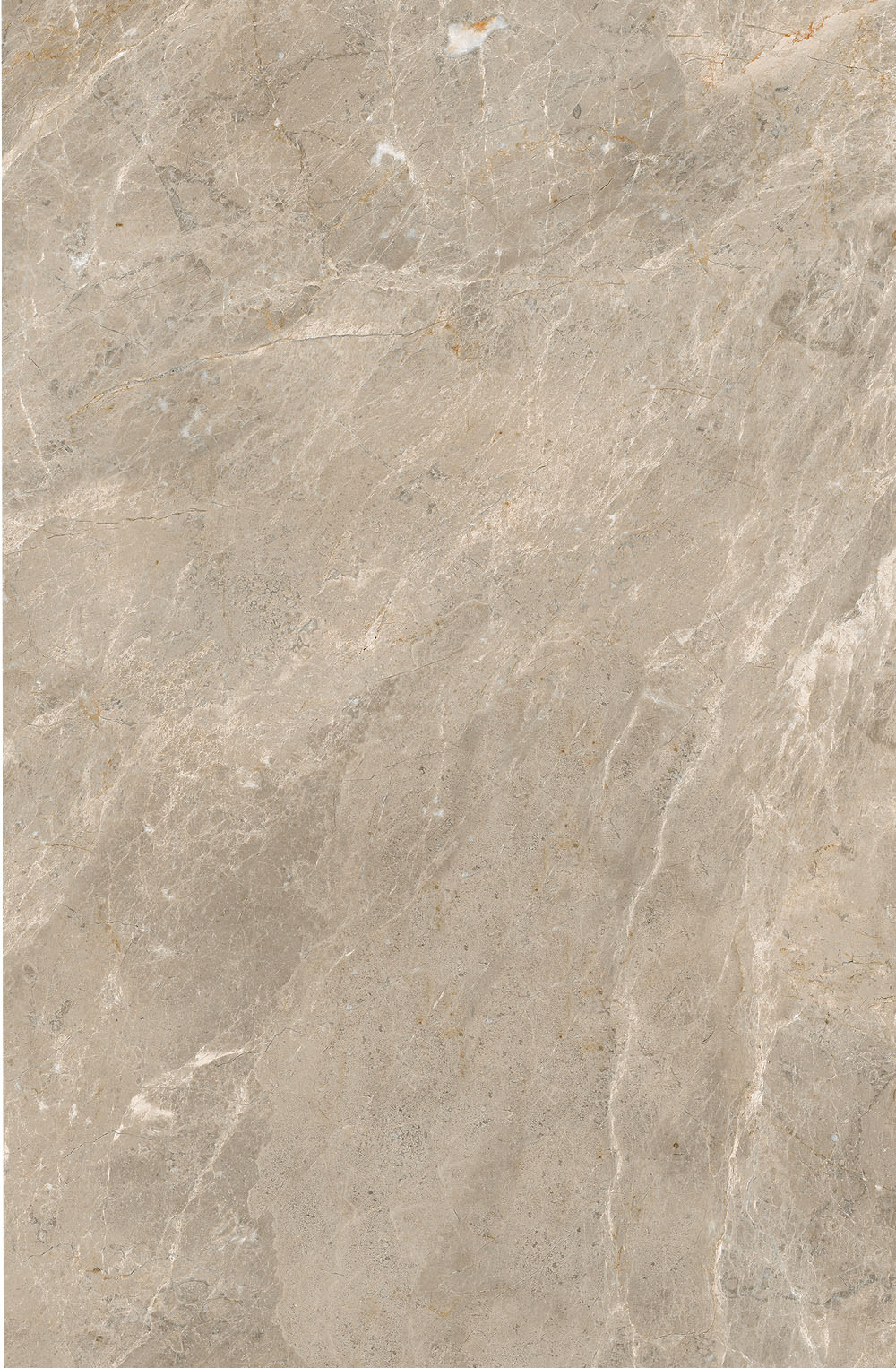
燒結石被定義為在不因熱與壓力而熔化至液化程度的情況下,將固體物質壓縮的過程。燒結自然發生於礦床或製造過程中,材料中的原子在顆粒中擴散,將粒子融合,形成一個國家體。因此,從定義上來說,瓷器、陶瓷和岩石板都是「燒結」材料。但這些產品之間還是有一些差異。
Tiles are usually made of very dense clay with a water absorption rate of 0.5% or less. Ceramics are made by firing clay with a water absorption rate greater than 0.5%. Both of these are fired at extreme temperatures in a kiln, generally at 800°C-1200°C. Ceramic tiles are divided into glazed and unglazed. Glazed tiles are baked twice, giving them durability and luster. Some people call unglazed tiles "full body". However, most tiles used for larger areas have patterns applied to the surface, which gives them more style options, and reduces porosity and increases durability.
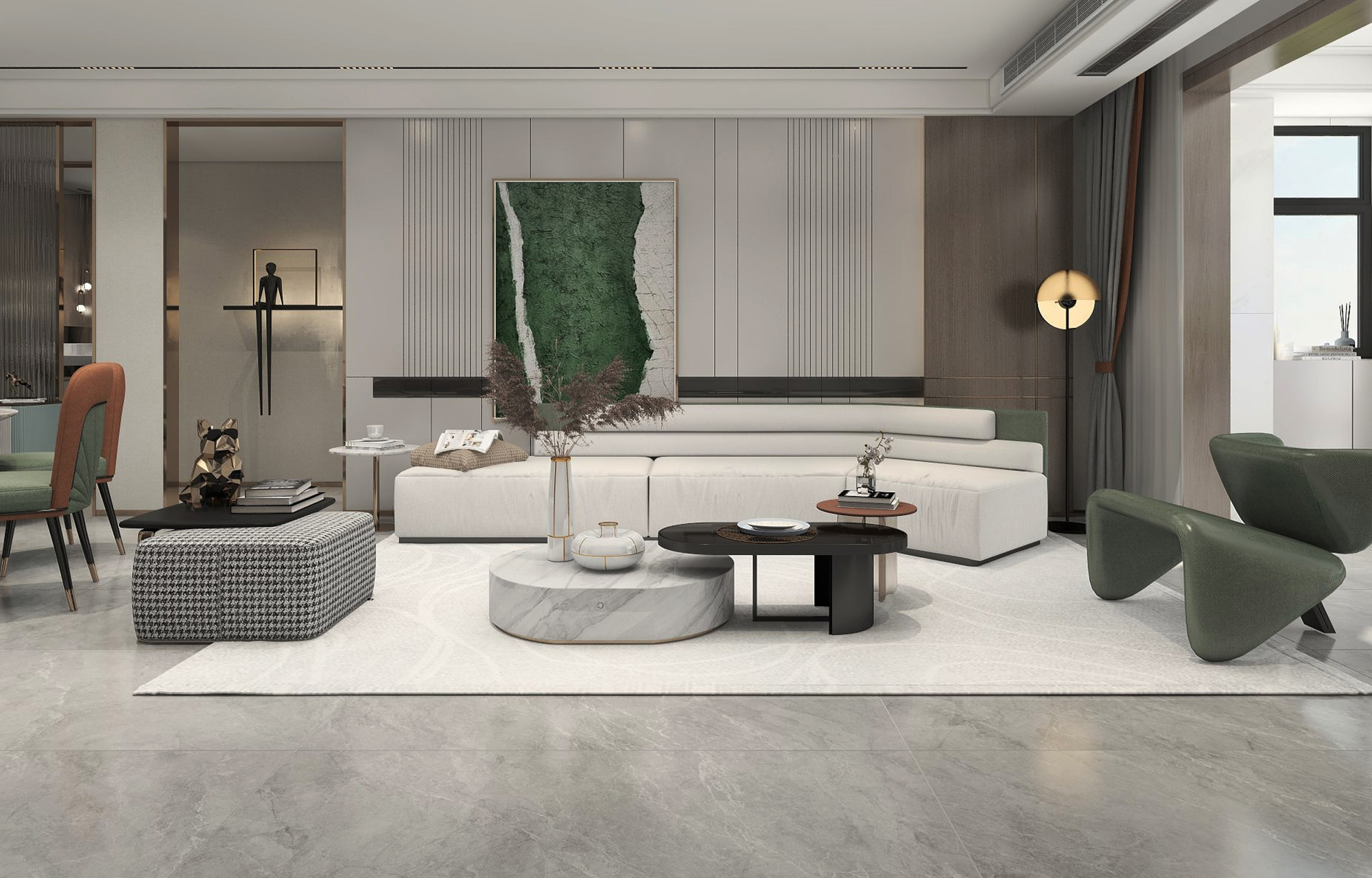
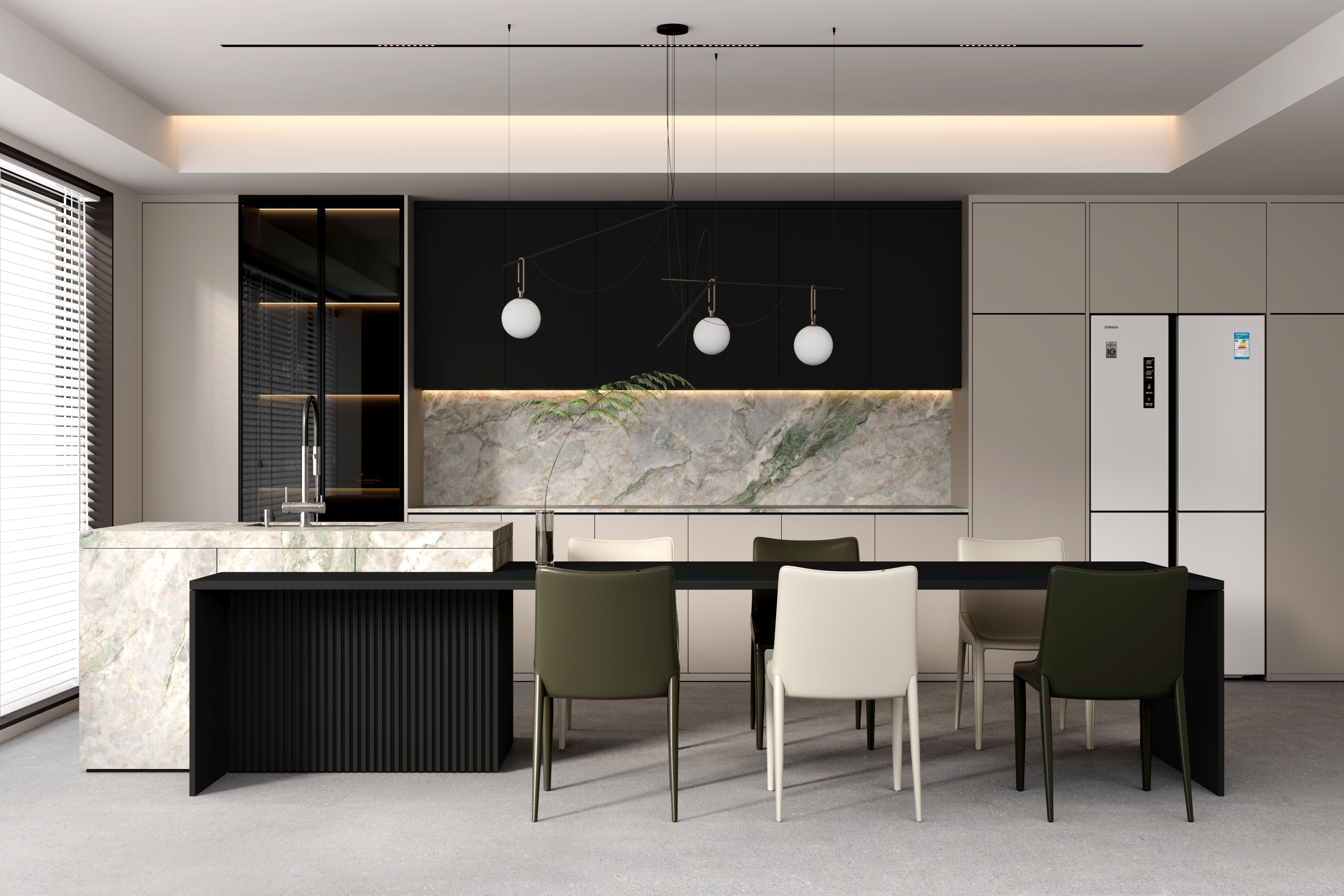
中國所謂的岩石板通常被稱為燒結石在歐洲和美洲國家,也就是燒結石。根據定義,岩石板也是燒結材料,如陶瓷和瓷磚。然而,岩石板的初始製造過程有很大差異。岩板的主要成分為黏土、長石粉和矽石,這些材料使用超過16,000噸壓榨機的系統,並在1200至1500°C的高溫窯爐中燒製。
這塊板子比陶瓷磚還大。板材的傳統尺寸為3200*1600/3000*1500毫米,厚度為3/6/12毫米。岩石板的吸水率也會較低,僅為0.02%。此外,岩板的平坦度相對高於類似的燒結產品,且光線反射時不會造成視覺暈眩。
一般來說,瓷磚、陶瓷和岩石板本質上都是燒結石材,但它們是不同的。
Tiles are usually made of very dense clay with a water absorption rate of 0.5% or less. Ceramics are made by firing clay with a water absorption rate greater than 0.5%. Both of these are fired at extreme temperatures in a kiln, generally at 800°C-1200°C. Ceramic tiles are divided into glazed and unglazed. Glazed tiles are baked twice, giving them durability and luster. Some people call unglazed tiles "full body". However, most tiles used for larger areas have patterns applied to the surface, which gives them more style options, and reduces porosity and increases durability.
中國所謂的岩石板通常被稱為燒結石在歐洲和美洲國家,也就是燒結石。根據定義,岩石板也是燒結材料,如陶瓷和瓷磚。然而,岩石板的初始製造過程有很大差異。岩板的主要成分為黏土、長石粉和矽石,這些材料使用超過16,000噸壓榨機的系統,並在1200至1500°C的高溫窯爐中燒製。
這塊板子比陶瓷磚還大。板材的傳統尺寸為3200*1600/3000*1500毫米,厚度為3/6/12毫米。岩石板的吸水率也會較低,僅為0.02%。此外,岩板的平坦度相對高於類似的燒結產品,且光線反射時不會造成視覺暈眩。
一般來說,瓷磚、陶瓷和岩石板本質上都是燒結石材,但它們是不同的。
.jpg?imageMogr2/format/webp)